A Farm for the Future
How can a redundant farm foster community, nature and connection?
With love and enterprise, it’s our mission to find out.
As one Crofter put it:
"We are part of our local community, so the Croft is personal for me. It’s about my family, my community, the land, and the nature around me. It’s about good jobs, profitable human-scale enterprises and innovating. About doing a job well. About young people being able to live and work in rural Scotland. About physical and mental health. About rural culture and being a good neighbour. It’s about having opportunities and agency over our own lives. It’s about good food and trees and beauty and all the multitude of things that farms can provide. It’s also about the climate and nature. These things are not separate. Farms can provide opportunities not just to survive but to thrive!”
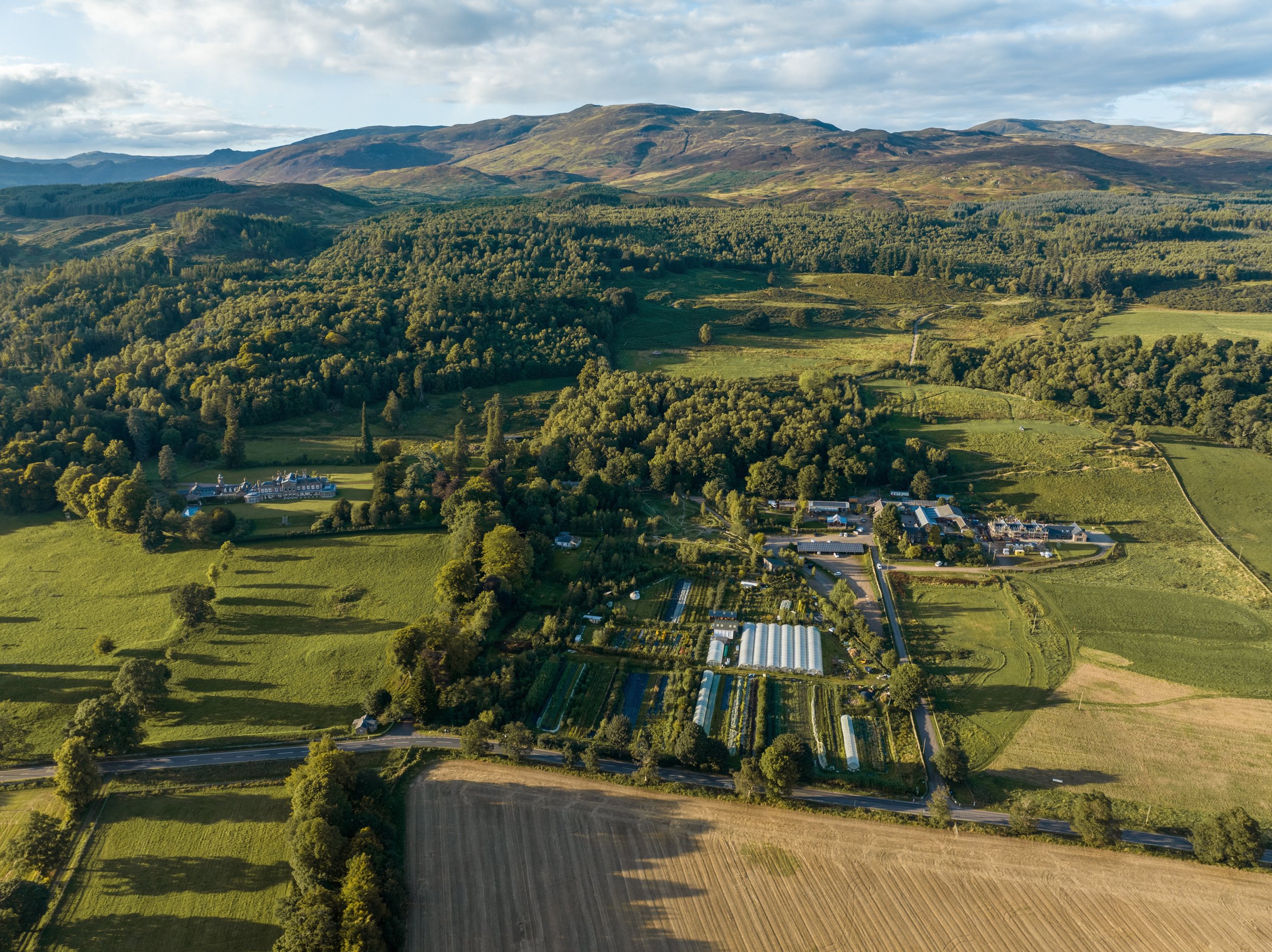
Our family of twelve collaborating nature-based micro-enterprises employ over forty local people (full time equivalent) with combined revenues over £2million. Five of these businesses are owner-managed. Comrie Croft Ltd - the mothership in the family - is a certified B-Corp owned by fifty local people, employees, family and friends. We’ve been a Real Living Wage employer and Gold level member of the Green Tourism Business Scheme since 2008.
THE STORY OF COMRIE CROFT
1746
This hand drawn map shows around fifteen small-scale tenant farmers (cottars) and their families living in homesteads and working Brini Croit, what we now call Comrie Croft. This was the same year as the Battle of Culloden, the ill-fated climax to the Jacobite Rebellion. Jacobite defeat led to the often brutal dismantling of the Highland way of life, the destruction of the clan system and emigration and clearance of people from the land. Although there is no evidence of violent evictions at Comrie Croft, changes lay ahead, as ‘progress’ brought the replacement of open runrigs (strip farming) and common grazings with stone dykes and enclosed fields. Each cottar now had to work on the laird’s farm. The map shows his plans at the time, including formal avenues of trees and a grand house, laid over the existing communal land use. The changes drove many people from the land. The population of our parish, Monzievaird and Strowan, dwindled from 1460 people in 1755 to only 433 people in 1841. It has never recovered.
1960s
The name has morphed to Braincroft Farm

1992
The farm is not able to support one livelihood any more and the farmer leaves. The countryside around Comrie looks idyllic. But the beauty of the landscape hides a secret: The long-term decline of natural ecosystems caused by a shift towards more industrial ways of managing the land: Commercial plantation forestry; bigger farms, fields and machinery; and more artificial chemicals and fertilisers. Farmers and land managers are often powerless in the face of these global forces, and so by the 1990s the Croft was no longer able to generate a conventional farming livelihood for one family.

1995
The farmstead is converted into a 56-bed tourist hostel

2003
Andrew is the first of the new generation of Crofters to arrive, brought in to manage the hostel for the old estate company. There are two employees in total.

2005
Comrie Croft is born! Comrie Croft Ltd is registered and leases the hostel.

2006
The Croft hosts its first wedding. Andrew and Malize build the footpath to the woodland clearing so that they can get married there.

2008
The landowner agrees to a private sale of the whole farm for nearly £1m. So some of the Crofters get together over beers one evening to imagine what the Croft could be like in 10 years time. These ideas are developed into a business plan with a vision for community and environmental regeneration through collaborative enterprise. Triodos Bank agree to fund around half the purchase price. This is added to by two personal loans from trusting friends. The remaining £200k equity is crowd-funded from all of the Crofters at the time, local people, friends and family. The whole farm is purchased.

2012
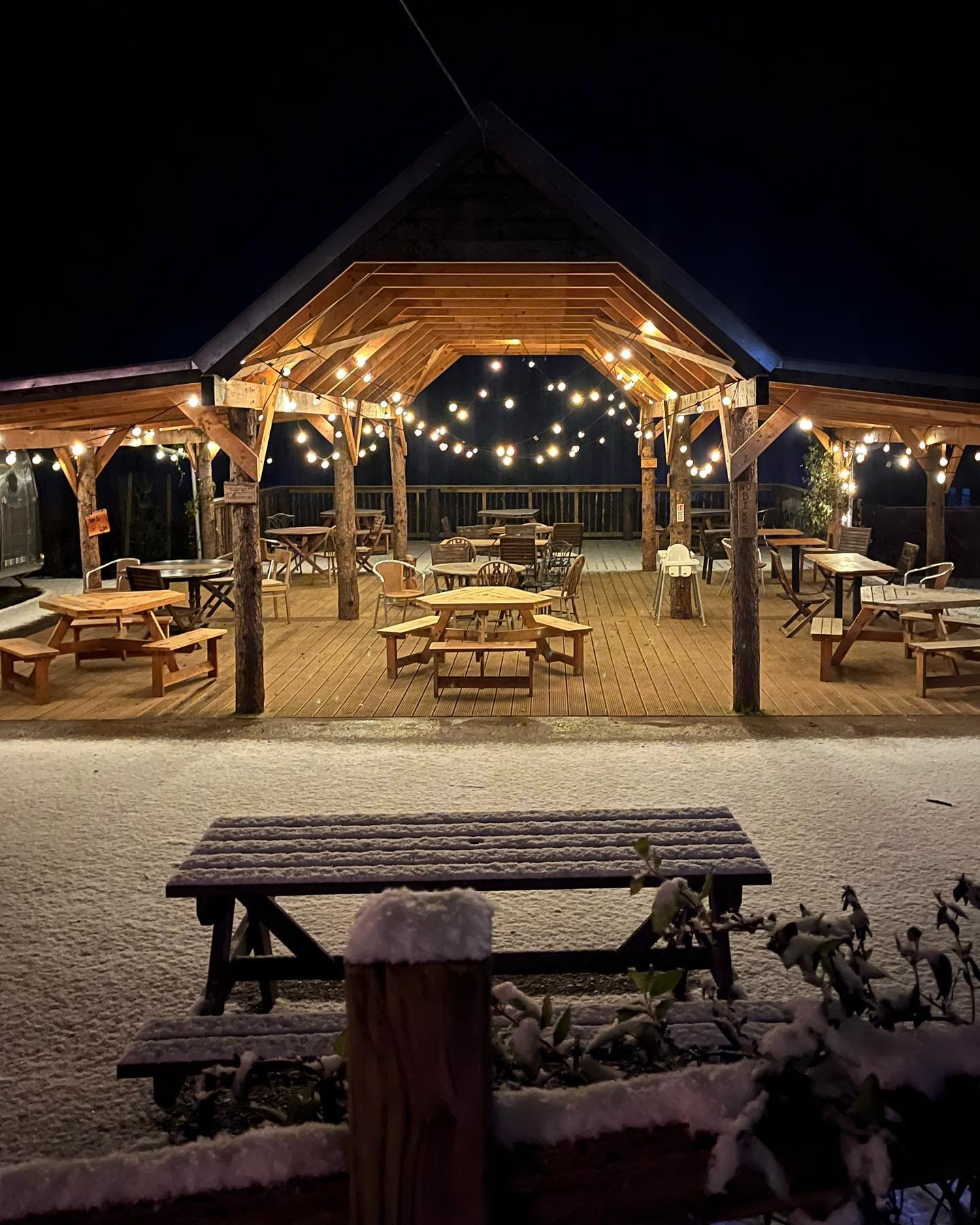
The Tea Garden at Comrie Croft opens for the first time. Waistlines grow!

2015
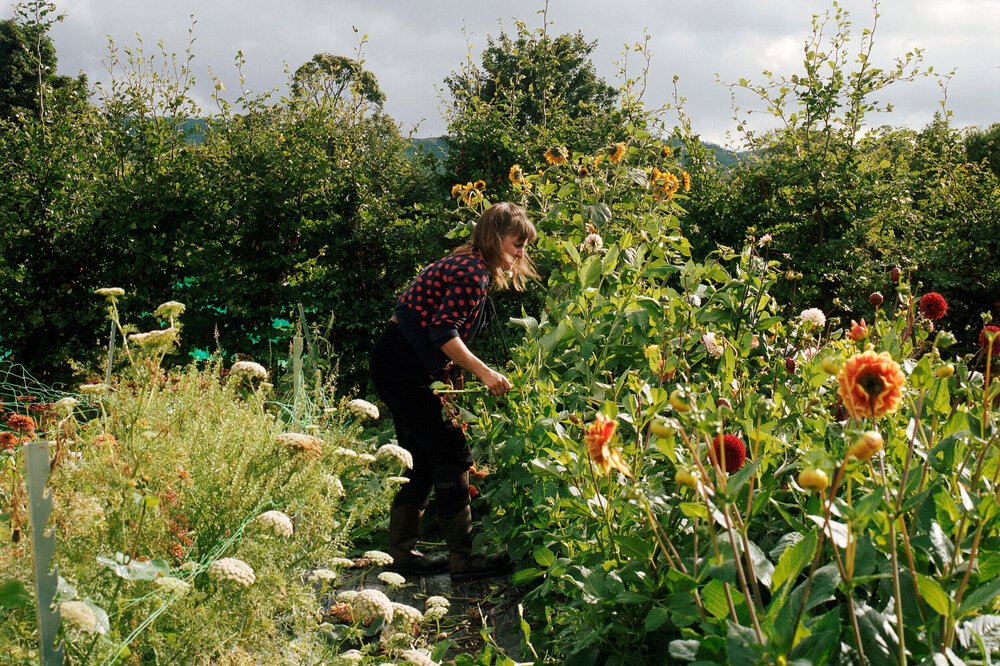
Tomnah’a Market Garden is established as a Community Supported Agriculture enterprise growing local, wildlife-friendly fruit, veg, salads and flowers and returning significant food production to the farm for the first time since 1992. Tomnah’a is the old Gaelic name for the field, though its meaning is uncertain.

2018
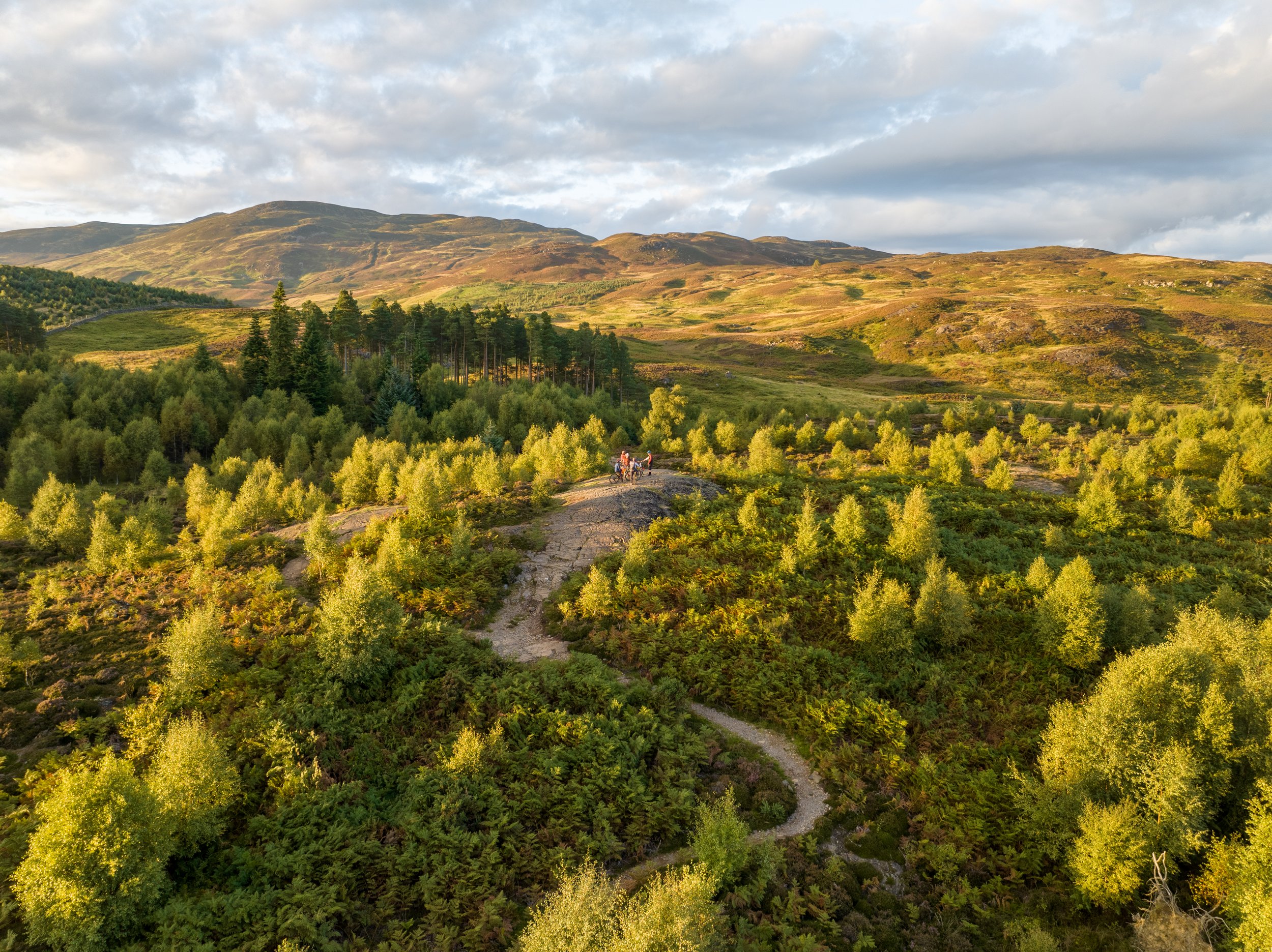
Cream o’ the Croft Mountain Biking Festival. The festival was a celebration of outdoor family fun and mountain biking launched to mark the completion of the Croft’s original 20km singletrack mountain bike trail network. The trails were officially opened by round the world record-breaking cyclist Mark Beaumont and the Scottish Minister for the Environment, Roseanna Cunnningham MSP. The trails have been continuously rated among the best in Scotland.
2020
Covid! Like most businesses, the Croft is largely shut down overnight and for up to 18 months. However, the farm and bike shop are allowed to stay open and they are joined by camping in the summer of 2020. Working together enables the Croft to survive.

2024
Comrie Croft becomes a certified B Corp - businesses that meet the highest standards of social and environmental performance. Refreshed branding and website follow on.


The Future!
The Bible says “Where there’s no vision, the people perish”. Amen to that! To achieve the regenerative future described at the top of this page our team has worked up various plans, with help from a long time friend of the Croft. These will be published here soon. If you have your own ideas to add please do get in touch.
Any future is dependent on our natural environment and the continued support of our customers, community, suppliers, and team. Our 5-year focus is on embedding regenerative impact and using the Croft as a model for inspiring and learning with other farms, communities and rural businesses. Some key goals and plans:
Affordable off-grid co-housing to tackle the local housing crisis Tomduie Clachan - and the flagship in a new…
Regenerative education programme including a ‘Back to the Future’ schools residential learning from land use in the past to inform a more sustainable future
And agroecological demonstration fields show-casing a range of agroforestry, permaculture, and biodynamic techniques including livestock
A transition to a new governance and ownership structure, probably through an Employee Ownership Trust;
A grin-inducing new All Abilities Trail, Bike Skills Park and all-weather Pump Track for every person and every type of personal mobility;
A new Resources Not Rubbish Station designed to prevent waste and create useful resources;
Landscaping of the farm venue courtyard to increase biodiversity and beauty;
Exploring ways to multiply community-environment impact by applying the model and learnings from Comrie Croft on other farms or estates and building partnerships with our neighbours, community organisations and others.
Selected Awards & Accolades


Follow Our Journey